Climate Solutions for Tomorrow
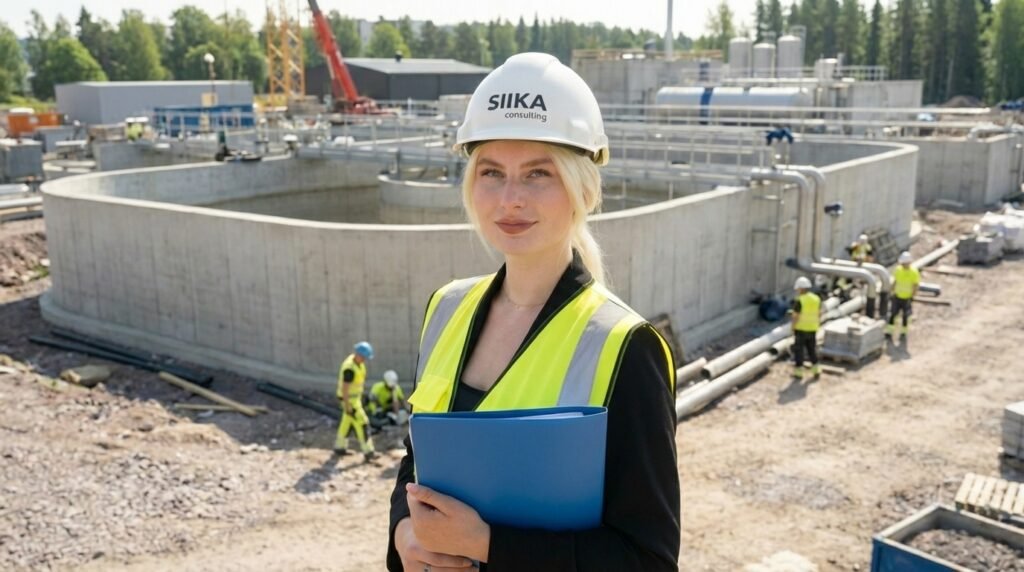
Siika Consulting specializes in developing and implementing comprehensive climate programs that transform environmental ambitions into measurable, operationalized reality. Drawing on proven methodologies refined through municipal and enterprise engagements, we guide organizations through the complete climate transition journey—from baseline assessment and science-based target setting through implementation, monitoring, and continuous improvement.
Carbon Footprint Analysis
We provide detailed assessments of your carbon emissions, helping you understand your environmental impact and pinpoint areas for reduction.
Renewable Energy Solutions
Our team offers guidance on sustainable energy practices, assisting you in shifting towards renewable sources for a greener future.

Climate Programs
We develop structured climate program specified to your company. Programs ensure effective resource use and recycling practices.
Our Climate Program Methodology
Phase 1: Baseline Assessment & Strategic Foundation
Every effective climate strategy begins with rigorous understanding of current state. We conduct comprehensive greenhouse gas (GHG) inventories following GHG Protocol standards, quantifying Scope 1 (direct), Scope 2 (indirect energy), and Scope 3 (value chain) emissions. This includes:
- Emissions Baseline: Activity data collection, emission factor application, and uncertainty quantification establishing a robust baseline for trend analysis and target setting
- Materiality Assessment: Identification of highest-impact emission sources across your operations, supply chain, and value chains
- Peer Benchmarking: Comparison against organizational peers and sector standards, revealing competitive position and improvement opportunities
- Stakeholder Landscape: Mapping of internal and external stakeholders—employees, customers, regulators, investors—whose engagement is critical for program success

Phase 2: Science-Based Target Development & Pathway Design
Credible climate targets aren’t arbitrary percentage reductions—they’re grounded in climate science and aligned with societal decarbonization requirements. We develop targets and pathways that are:
- Physics-Aligned: Based on IPCC climate scenarios (1.5°C, 2°C pathways) and sector-specific decarbonization benchmarks
- Technically Feasible: Evaluated across available technology options (renewable energy, electrification, efficiency, carbon capture, circular economy) considering timeline and cost constraints
- Financially Viable: Assessed through detailed cost-benefit analysis, capex/opex modeling, and funding mechanism identification
- Stakeholder-Aligned: Developed collaboratively ensuring organizational buy-in, realistic assumptions, and achievable commitments
Example: Aura Municipality targeted 60% emission reduction by 2035 (from 2005 baseline) across all organizational sectors. Pathway analysis revealed that road transport decarbonization represents the largest reduction opportunity—requiring vehicle fleet transformation, public transit enhancement, and behavioral change in resident mobility patterns.
Phase 3: Sector-Specific Implementation Roadmaps
Climate programs succeed when integrated across all material emission sources. We develop detailed, phased implementation plans addressing:
Energy & Buildings
- Building envelope improvements (insulation, windows, thermal mass)
- Heating system transformation (renewable heat, heat pumps, district heating transition)
- Renewable energy deployment (rooftop solar, wind, community-scale systems)
- Building automation and demand-side management
Transportation & Mobility
- Fleet electrification timelines and procurement strategies
- Public transit expansion and modal shift programs
- Active mobility infrastructure (cycling, walking networks)
- Charging/fueling infrastructure deployment
- Land-use planning supporting transit-oriented development
Circular Economy & Waste
- Waste prevention and source reduction
- Material recovery and recycling infrastructure
- Composting and organic waste valorization
- Procurement practices favoring circular suppliers
Natural Systems & Land Use
- Forest management and carbon sequestration enhancement
- Agricultural practice transformation
- Biodiversity protection and restoration
- Ecosystem services valuation and integration
Each sector roadmap includes specific actions, timelines, responsible parties, budget estimates, and KPIs—enabling clear accountability and progress tracking.
Phase 4: Organizational Governance & Change Management
Climate programs fail without embedded organizational capacity. We establish governance structures including:
- Sustainability Committees: Cross-functional leadership bodies with decision authority and resource control
- Performance Management Integration: Linking sustainability KPIs to executive compensation and organizational scorecards
- Staff Capability Development: Training and coaching ensuring teams understand their role in climate transition
- Change Management: Stakeholder engagement, communication strategy, and resistance navigation
- Accountability Mechanisms: Transparent reporting, public commitments, and third-party verification
Phase 5: Monitoring, Reporting & Adaptive Management
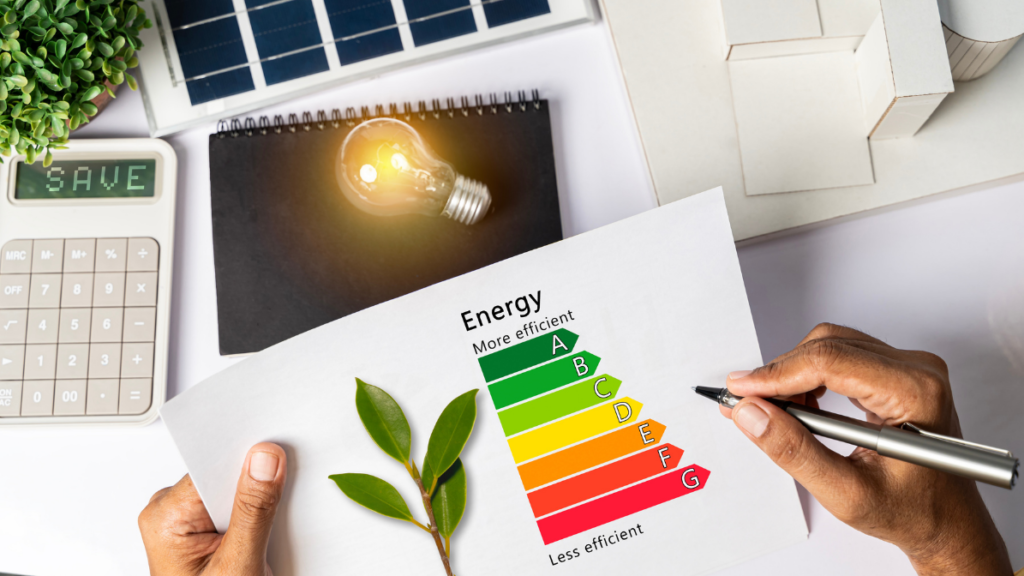
Climate strategy effectiveness depends on real-time visibility and adaptive response. We establish:
- Emissions Tracking Systems: Automated data collection, calculation protocols, and quality assurance
- Performance Dashboards: Quarterly KPI tracking, variance analysis, and early warning systems
- Science-Check Protocols: Annual review ensuring strategy remains aligned with climate science evolution
- Stakeholder Communication: Transparent progress reporting to employees, customers, regulators, and investors
- Continuous Improvement: Regular review cycles identifying obstacles, capturing lessons, and refining strategy
Climate Program Applications
Municipal Climate Programs
Municipalities face unique climate challenges—aging infrastructure, diverse stakeholder interests, limited budgets, and political cycles. Our municipal climate programs address:
- Comprehensive organizational decarbonization (municipal operations, public buildings, fleet)
- Land-use and urban planning integration supporting climate goals
- Community engagement and resident behavior change
- Regional coordination and peer learning
- Funding mechanism development (green bonds, grants, carbon pricing)
Aura Municipality’s climate program established sector-specific targets across municipal buildings, transportation, waste management, and natural resource stewardship—creating a roadmap achievable within realistic resource and budget constraints.
Enterprise Climate Strategies
Businesses increasingly face investor pressure, customer expectations, and regulatory requirements to demonstrate climate action. Our corporate programs address:
- Supply chain decarbonization and Scope 3 emissions reduction
- Product lifecycle assessment and circular economy integration
- Science-based net-zero target development
- ESG reporting and third-party verification
- Competitive positioning through sustainability leadership
Our Projects
Examples of Our Expertise
We showcase a selection of effective solutions that highlight our approach and success in sustainability.

Urban Sustainability Initiative
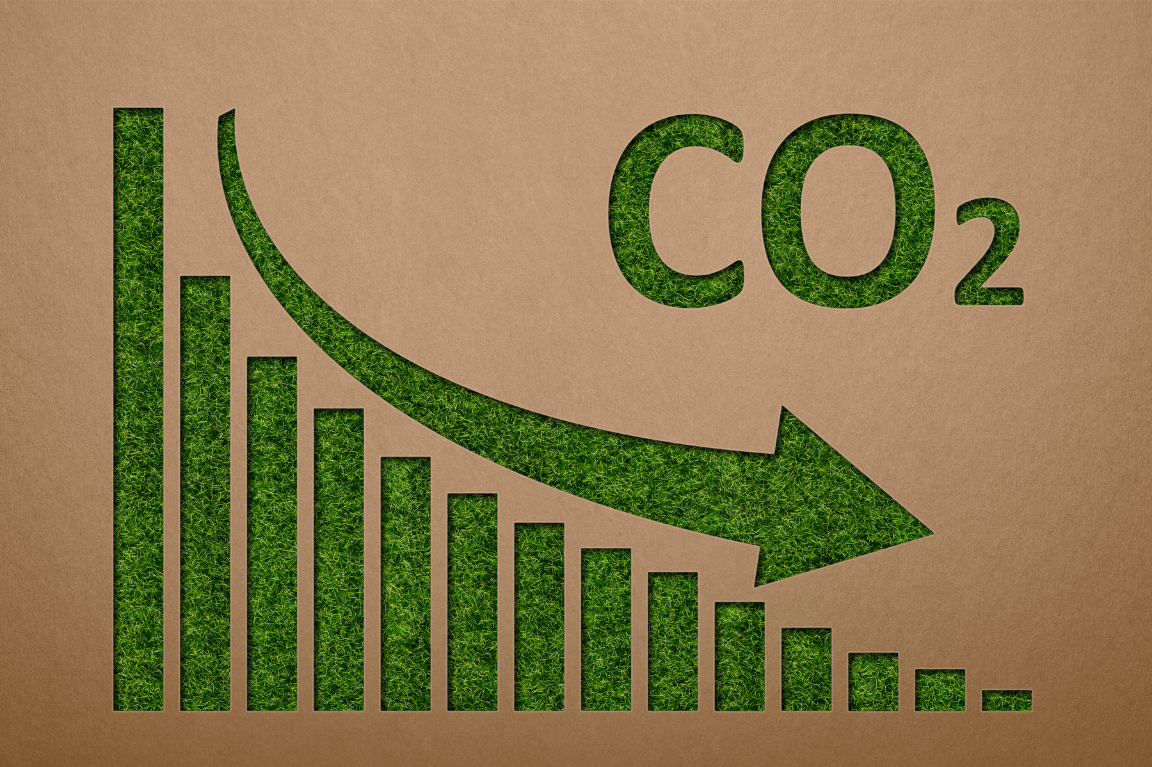
This project focused on reducing carbon emissions across urban transport systems.
Waste Management Strategy
This initiative aimed to enhance recycling efforts and reduce landfill waste across the city.
Climate Adaptation Program
This program focuses on helping communities adapt to changing climatic conditions.
Ready to Develop Your Organization’s Climate Program?
The competitive advantage goes to organizations that move beyond climate ambition to execution excellence. Whether you’re a municipality establishing your first comprehensive climate program, an enterprise developing science-based decarbonization strategy, or an organization embedding sustainability into operations, Siika brings proven methodologies and deep expertise.
Three Ways to Get Started:
Strategic Consultation (1-2 hours)
Assess your current climate readiness, discuss organizational context and constraints, and outline a preliminary engagement roadmap. No cost, no obligation.Climate Program Assessment (4-6 weeks)
Comprehensive baseline emissions analysis, stakeholder interviews, peer benchmarking, and preliminary target recommendation. Generates business case and program roadmap.Full Climate Program Development (3-6 months)
From baseline through science-based target setting, stakeholder engagement, detailed implementation roadmaps, governance design, and monitoring system establishment.
Let’s Build Your Climate Strategy Together
📧 consulting@siika.io
📞 +358 45 114 3066 | +971 58 573 1909
Frequently Asked Questions
Common inquiries about our services are addressed below.
Sustainability consulting helps organizations improve their environmental performance while addressing social and economic factors. We provide guidance on implementing effective climate programs, waste management strategies, and organizational changes for a more sustainable future.
Our services are tailored to enhance decision-making and support sustainable objectives. By collaborating with us, your organization can achieve improved operational efficiency and better compliance with environmental regulations, positioning you as a leader in sustainability.
We work primarily with municipalities, public decision-makers, large corporations, and organizations within the infrastructure and energy sectors. Our expertise covers a wide range of sustainability challenges unique to each of these areas.
Our approach follows a structured methodology, beginning with understanding your specific context and goals. We conduct thorough analyses to identify opportunities and develop practical recommendations that align with your strategic vision.
Yes, we provide comprehensive support for environmental reporting and compliance with relevant regulations. Our team ensures you have the necessary tools and insight to meet reporting requirements efficiently and effectively.
Still have questions?
If you have more questions or need specific information, please reach out to us directly. Our team is here to help clarify any uncertainties and provide the necessary guidance to support your sustainability initiatives.